What Non-Medical Home Care Really Includes (and What It Doesn’t)
When families begin searching for support for an aging loved one, one of the most common questions is: What is non-medical home care—and how is it different from medical care?
Understanding this difference helps families choose the right level of support while allowing seniors to remain safe, comfortable, and independent at home.
At Second Childhood Care, we specialize in non-medical home care for seniors, focusing on daily assistance, companionship, and dignity-centered support.
What Is Non-Medical Home Care?
Non-medical home care refers to professional, in-home assistance that helps seniors with everyday activities—without providing medical treatment or clinical services. It is ideal for seniors who want to age in place but need extra help with daily routines.
This type of care is often called:
Senior home care
In-home elderly care
Companion care for seniors
Personal support services
What Non-Medical Home Care Includes
Personal Care Assistance
Caregivers provide respectful support with:
Bathing and shower assistance
Dressing and grooming
Toileting and hygiene routines
These services help seniors maintain dignity, confidence, and independence at home.
Companionship and Emotional Support
One of the most searched benefits of non-medical senior care is companionship. Care includes:
Friendly conversation
Shared activities and hobbies
Emotional reassurance
Reducing loneliness and isolation
Companion care plays a major role in mental and emotional well-being.
Meal Preparation and Nutrition Support
Caregivers assist with:
Meal planning based on dietary needs
Preparing simple, healthy meals
Encouraging hydration
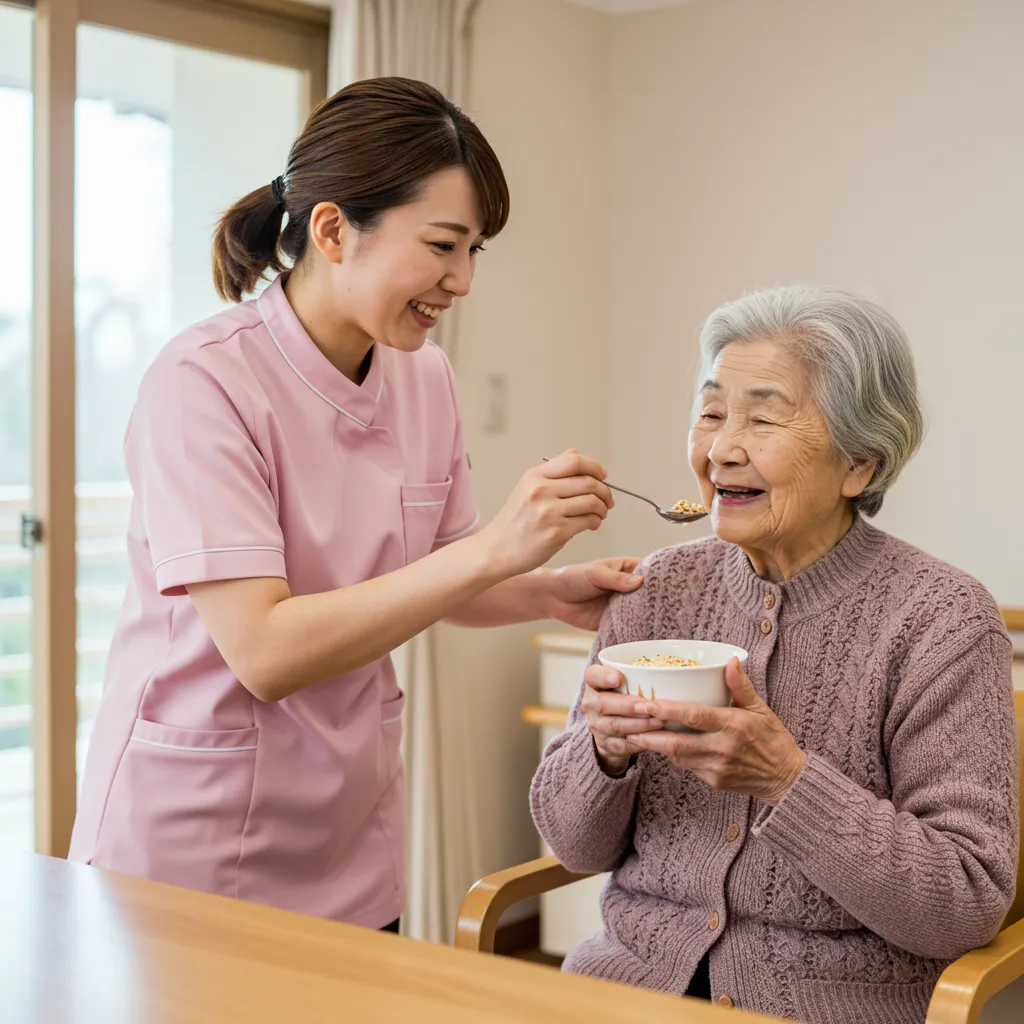
Meal companionship
This supports nutrition, energy levels, and overall health.
Light Housekeeping
To maintain a safe living environment, caregivers help with:
Laundry
Dishwashing
Tidying common areas
Taking out garbage
This reduces fall risks and keeps the home comfortable.
Mobility and Safety Support
Non-medical caregivers assist with:
Safe walking and transfers
Fall prevention
Supervision during movement
Daily routine support
This is especially helpful for seniors with balance concerns.
Transportation and Errands
Many families search for help with:
Grocery shopping
Prescription pick-ups
Appointments
Social outings
Transportation support helps seniors stay active and connected.
What Non-Medical Home Care Does NOT Include
❌ Medical Treatments
Non-medical caregivers do not:
Administer injections
Perform wound care
Provide medical diagnoses
Deliver clinical treatments
These services require licensed medical professionals.
❌ Nursing or Clinical Care
Non-medical care does not replace:
Registered nurses
Doctors
Physical therapists
Instead, it complements medical care by supporting daily living.
❌ Medication Management
Caregivers can remind seniors to take medication, but they do not:
Prescribe medication
Adjust dosages
Administer controlled drugs
Who Is Non-Medical Home Care Best For?
This type of care is ideal for:
Seniors aging in place
Older adults living alone
Individuals needing daily support but not medical care
Families seeking peace of mind
It’s one of the most flexible and cost-effective senior care options.
Why Families Choose Second Childhood Care
At Second Childhood Care, our approach is built on trust, compassion, and respect. We carefully match seniors with caregivers who provide reliable, family-like support—going beyond tasks to build meaningful relationships.
Non-medical home care is about more than assistance—it’s about helping seniors live with dignity, comfort, and companionship in their own homes. Knowing what it includes (and what it doesn’t) allows families to make confident, informed decisions.
If you’re exploring senior home care services, Second Childhood Care is here to help.
